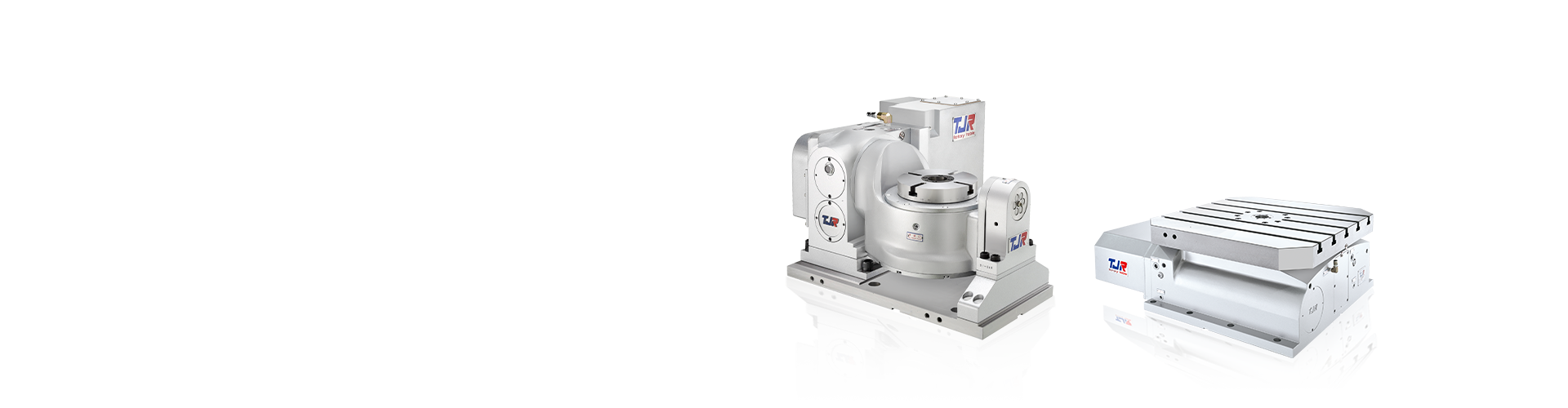
The brake mechanism in a rotary table serves two essential purposes: it locks the rotation axis during machining to resist cutting forces, and it maintains high positional accuracy when indexing. Whether powered by compressed air or hydraulic oil, the brake system’s performance affects tool path stability, surface finish, and the longevity of the drive mechanism.
Pneumatic brake rotary tables use compressed air to activate the clamping piston. This design provides several practical advantages:
However, pneumatic brakes generally produce lower clamping forces compared to hydraulic systems, which may limit their use in heavy cutting applications or large workpiece setups.
Hydraulic brake rotary tables use pressurized oil to generate significantly higher clamping force. This makes them ideal for demanding machining operations that require strong resistance to torque and vibration. Key benefits include:
On the other hand, hydraulic systems require fluid lines, oil maintenance, and leak prevention measures, which can slightly increase the complexity of setup and maintenance compared to pneumatic versions.
The ideal brake system depends on machining conditions, workpiece size, and the required holding torque. Here’s a general guideline:
| Feature | Pneumatic Brake | Hydraulic Brake |
|---|---|---|
| Clamping Force | Moderate | High |
| Response Speed | Very Fast | Fast |
| Maintenance | Low, clean system | Requires oil management |
| Best For | Light to medium-duty machining | Heavy-duty, precision cutting |
Every TJR rotary table is designed with long-term reliability in mind. Our engineers optimize brake piston design, sealing structure, and material selection to deliver consistent braking performance over millions of cycles. For customers requiring maximum rigidity, our hydraulic brake rotary tables provide superior holding torque and micron-level positioning accuracy. For automation systems or high-speed indexing, our pneumatic brake rotary tables offer quick, clean, and energy-efficient operation.
Whether you prioritize speed or holding power, TJR’s pneumatic and hydraulic brake rotary tables deliver the right solution for your 4-axis machining applications. Each model is the result of precise engineering and rigorous testing, ensuring that your machine tool performs at peak efficiency under any condition.
Contact TJR today to learn more about our full range of 4th axis rotary tables and discover the perfect solution for your machining center.